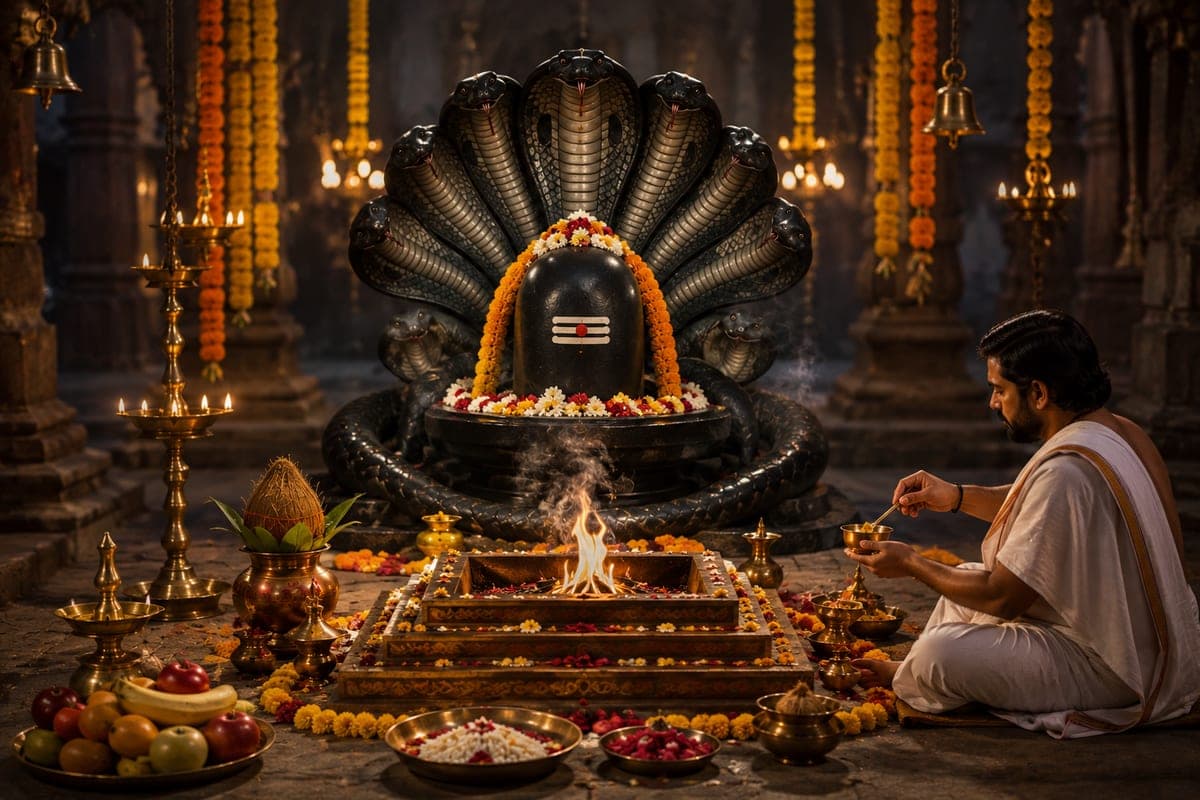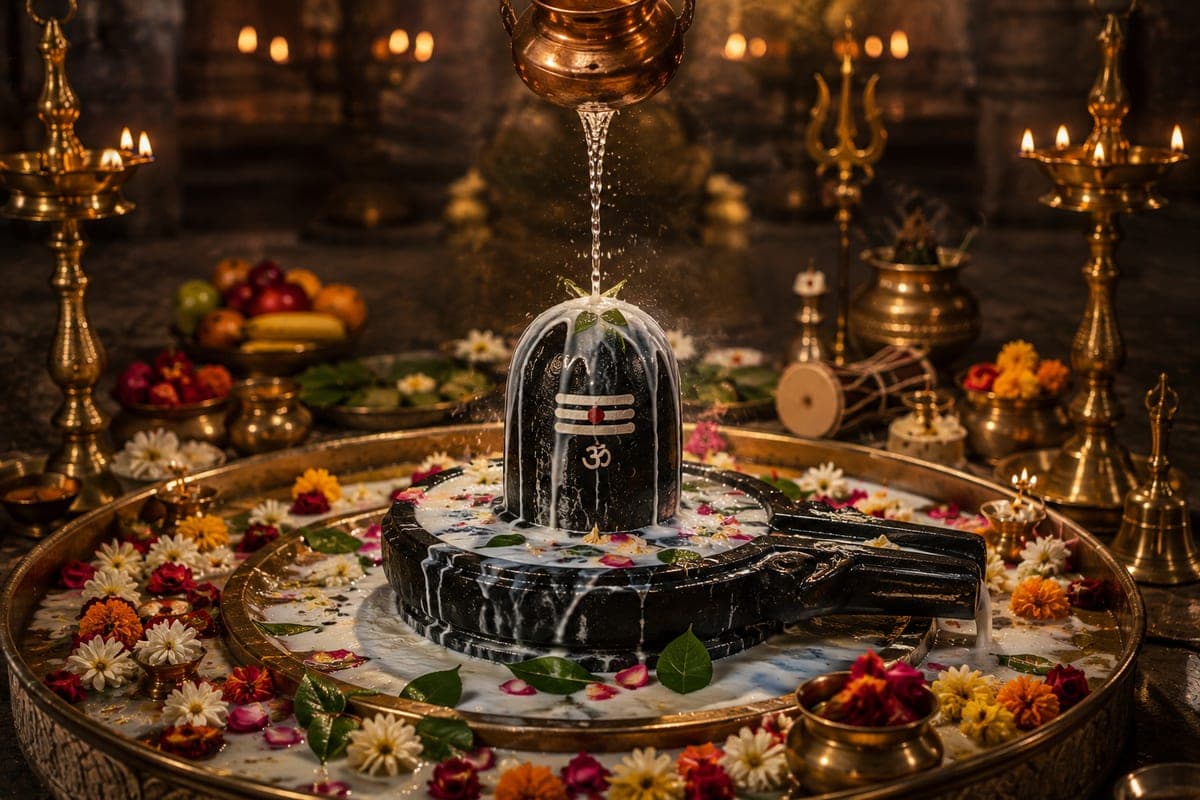
The word altar, though more commonly associated with other religious traditions, is also used to describe the raised platform on which a deity's image rests within a Hindu temple or home shrine. Understanding this term helps pilgrims describe the central focus of worship encountered during darshan.
What Is an Altar in Hindu Worship?
An altar refers to a raised platform or dedicated space where a deity's idol or image is placed for worship, forming the focal point of a temple's sanctum or a home's pooja room. Vendors near many temples sell Altar to pilgrims, and priests can usually explain the correct way to use it during a visit.
The Altar Within a Temple Sanctum
Within a temple, the altar typically holds the main consecrated idol, often elevated and decorated, serving as the precise point pilgrims focus on during darshan and the location where priests perform daily rituals. Regional practices around Altar vary somewhat across India, though its core devotional purpose remains widely recognised among Hindu pilgrims.
Home Altars and Pilgrimage Connection
Many households maintain a small altar within their pooja room, and pilgrims often bring back items from a significant Yatra, such as prasad or a small deity image, to place upon this personal altar at home. Many pilgrims keep a small amount of Altar from a significant Yatra as a lasting reminder of that particular temple visit.