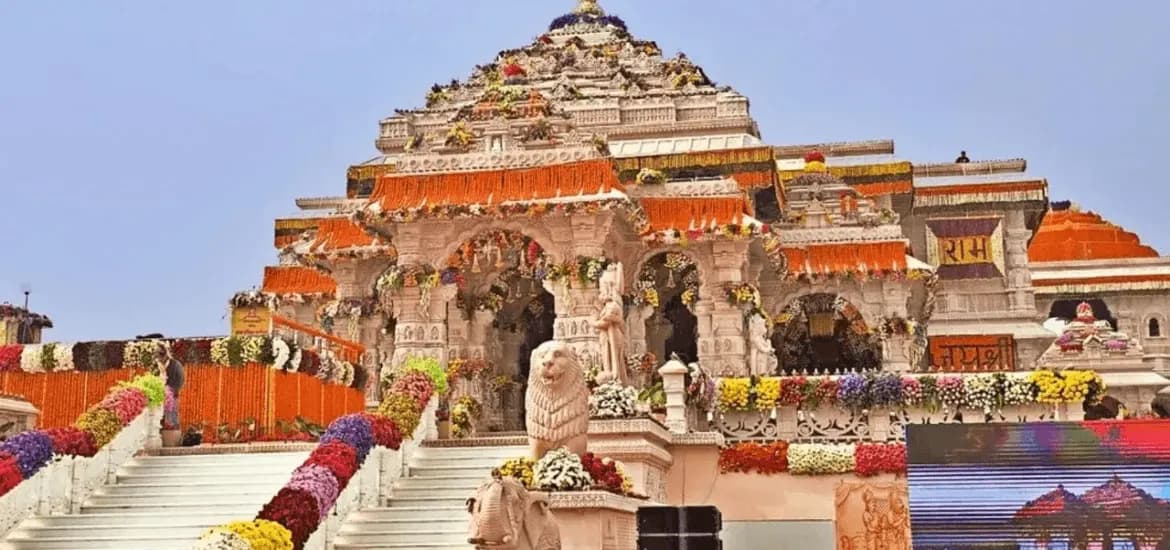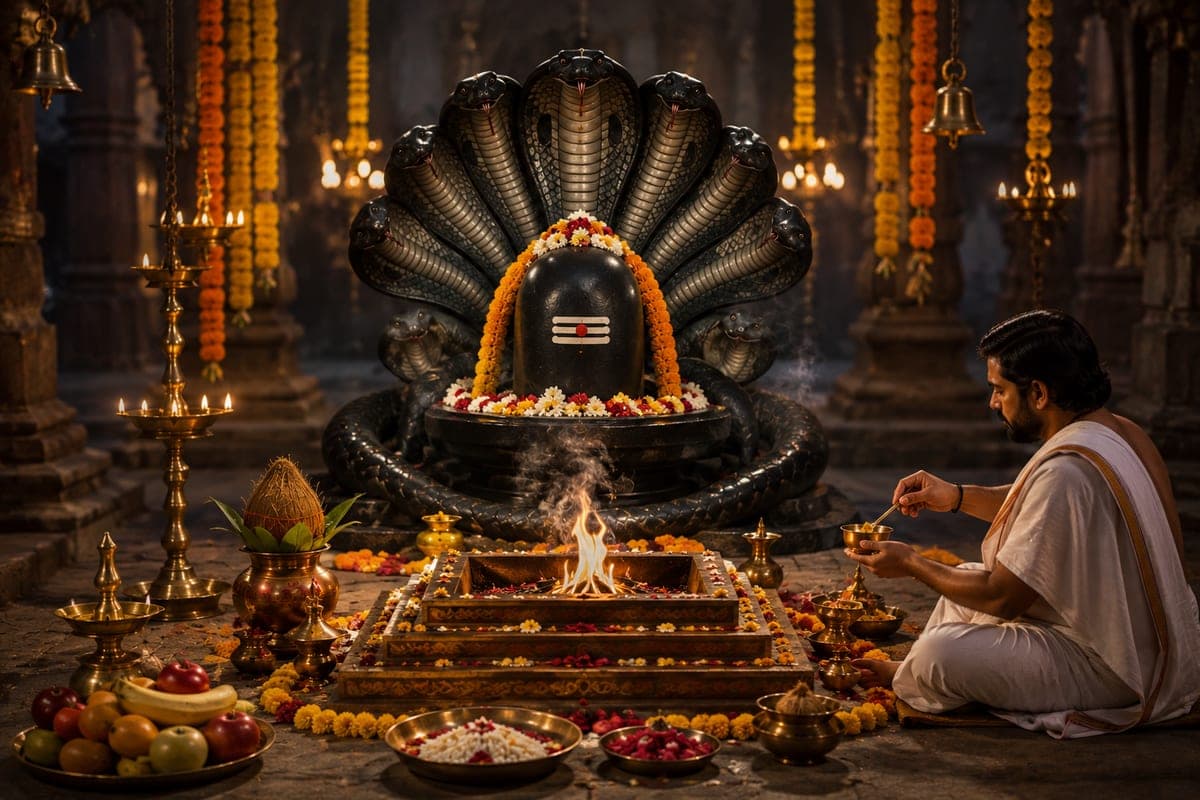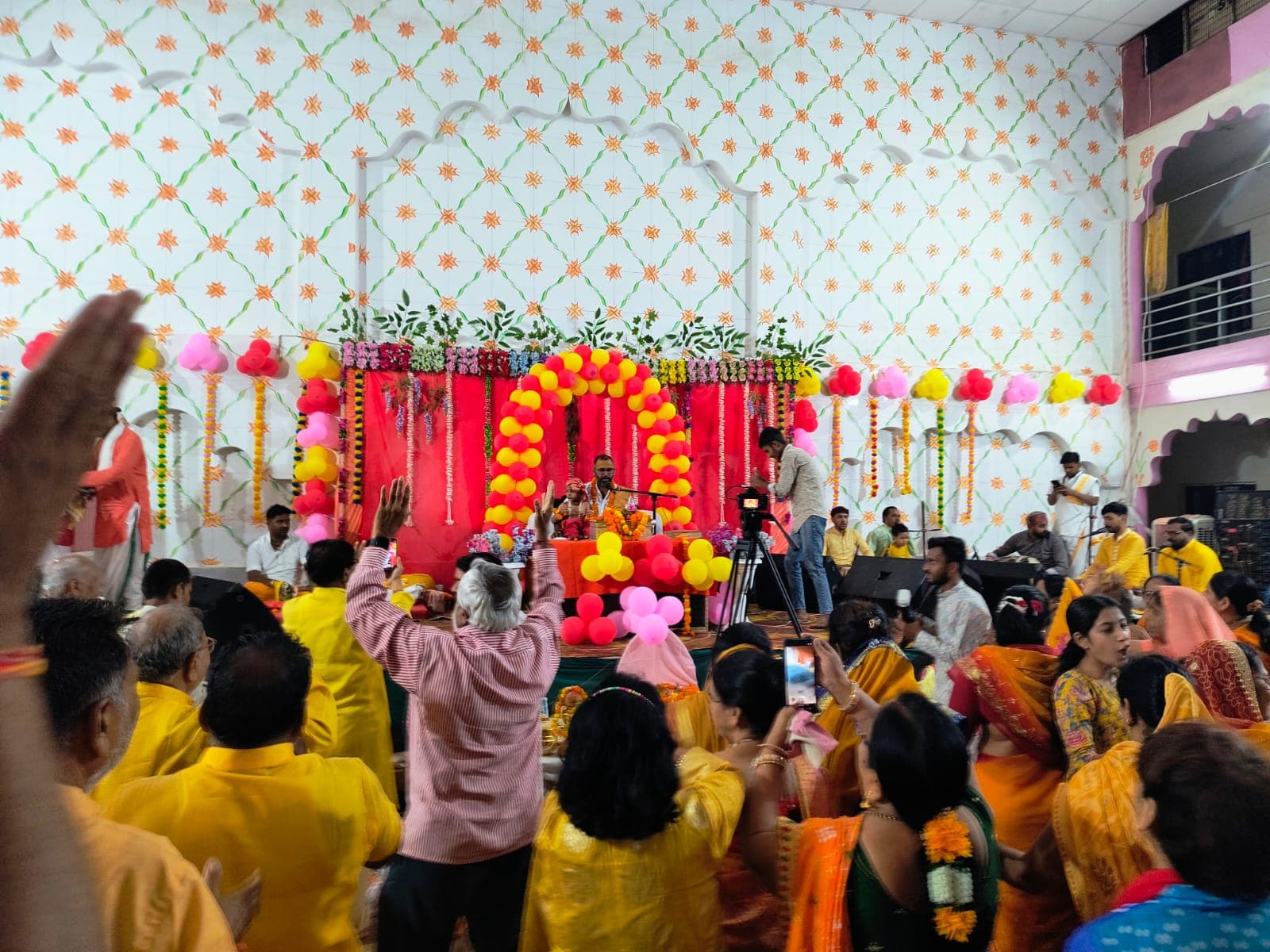
South Indian temple tradition places particular emphasis on alankaram, the elaborate decoration of a deity's idol, closely related to the broader practice of shringar found across Hindu worship. Pilgrims visiting major temples such as Tirupati frequently witness this practice as part of their darshan experience.
What Is Alankaram?
Alankaram refers to the elaborate decoration and adornment of a deity's idol using clothing, jewellery, and flowers, particularly emphasised within South Indian temple tradition as part of daily and festival worship. Priests performing Alankaram are generally willing to briefly explain the ritual to curious pilgrims, particularly at quieter, less crowded temples.
Alankaram at Major Temples
Temples such as Tirupati are particularly known for elaborate alankaram routines, with the deity's appearance changing according to specific daily rituals and festival occasions, drawing pilgrims eager to witness a particular decorated form. The exact steps involved in Alankaram can vary somewhat between temples, though the underlying devotional purpose remains broadly consistent across India.
Alankaram and the Pilgrim Experience
Pilgrims visiting during a special alankaram, sometimes announced in advance for major festivals, often consider this an especially significant version of darshan, adding visual richness to their overall temple visit. Many pilgrims specifically arrange Alankaram during their Yatra to mark a personal intention, vow, or family occasion.