Behind the precise rituals and architecture of many Hindu temples lies a body of scripture known as Agama, providing detailed guidance on construction, consecration, and worship procedure. Understanding this textual tradition helps pilgrims appreciate the structured precision underlying temple practice.
What Are Agama Texts?
Agama refers to a category of scripture providing detailed guidance on temple construction, idol consecration, and daily worship procedures, distinct from the Vedic tradition and specifically focused on practical ritual application rather than philosophy. Scholars and temple priests continue to teach and discuss Agama, keeping its relevance alive for each new generation of devotees.
Agama and Temple Architecture
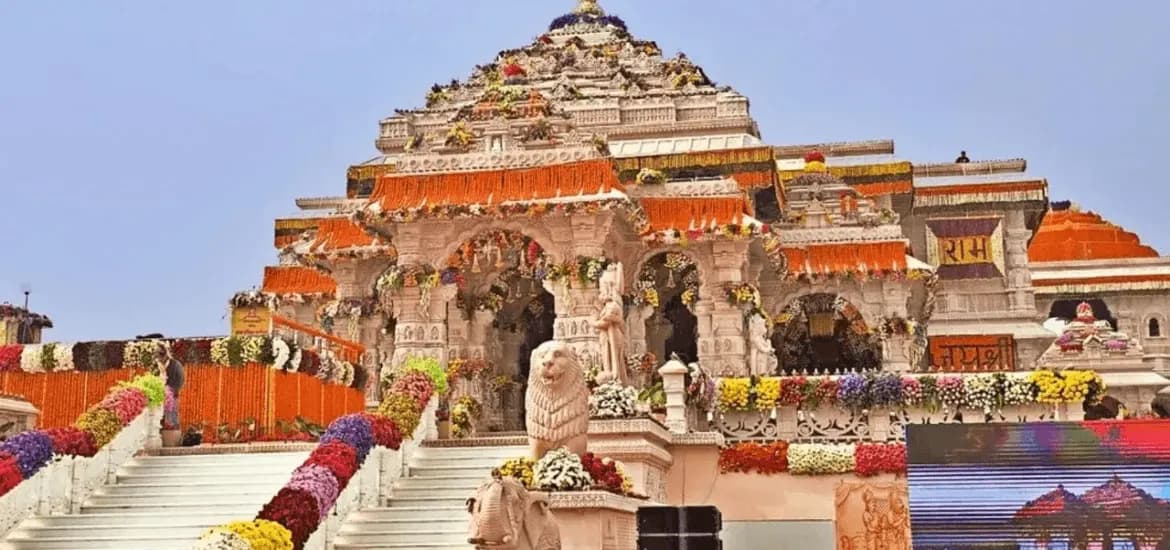
Many temples, particularly in South India, are constructed and maintained according to specific Agama guidelines, dictating everything from the proportions of the garbhagriha to the sequence of daily rituals performed by priests. References to Agama appear across many regional Hindu traditions, with local interpretation shaping how it is understood by pilgrims today.
Agama's Influence on the Pilgrim Experience
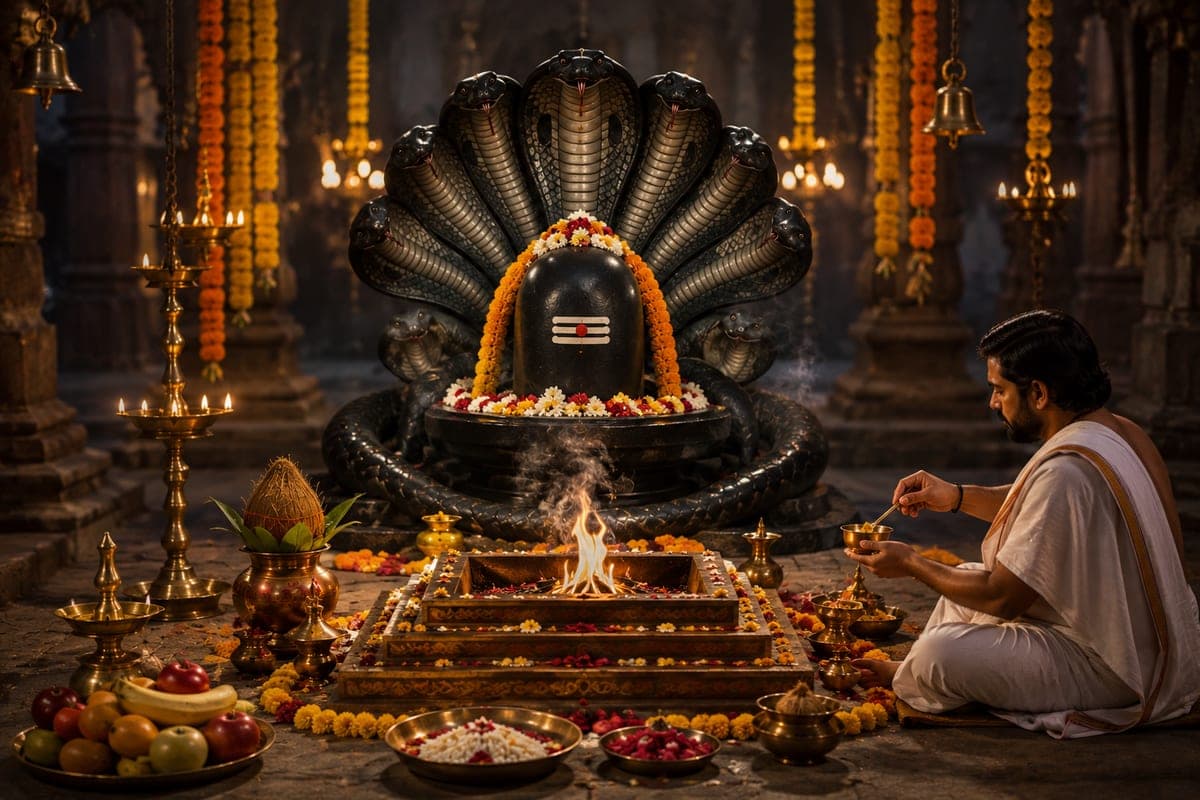
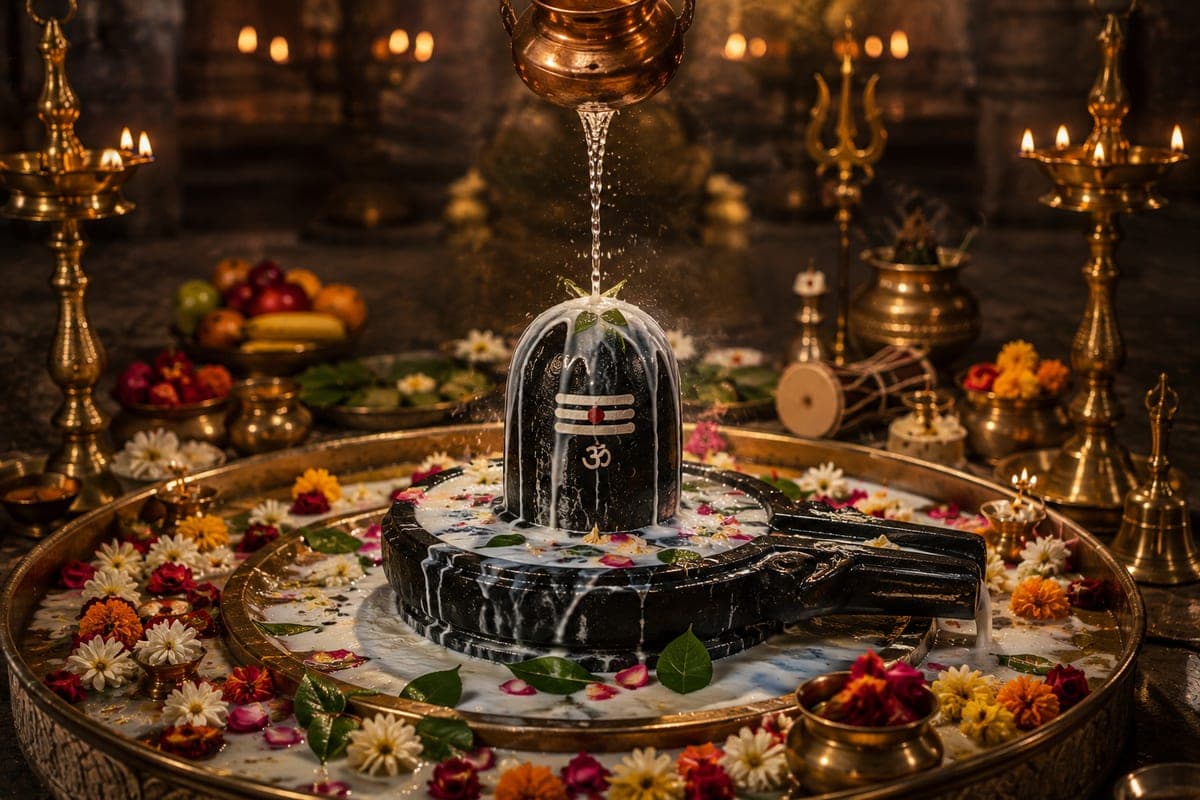
While most pilgrims are unaware of the specific textual source, the consistency and precision of rituals such as abhishek, naivedya, and aarti performed at many temples trace directly back to guidelines established within Agama tradition. Pilgrims encountering Agama for the first time are often introduced to it gradually through family tradition rather than formal study alone.