Among the special rituals pilgrims may choose to sponsor or witness during a temple visit, abhishek holds particular significance. This ceremonial bathing of the deity's image, using sacred substances such as milk, water, or honey, is considered a deeply devotional act performed with specific mantras. For pilgrims planning a Yatra to a major temple, understanding abhishek can help decide whether to participate in or observe this ritual, and what it might cost to arrange one personally.
What Is Abhishek?
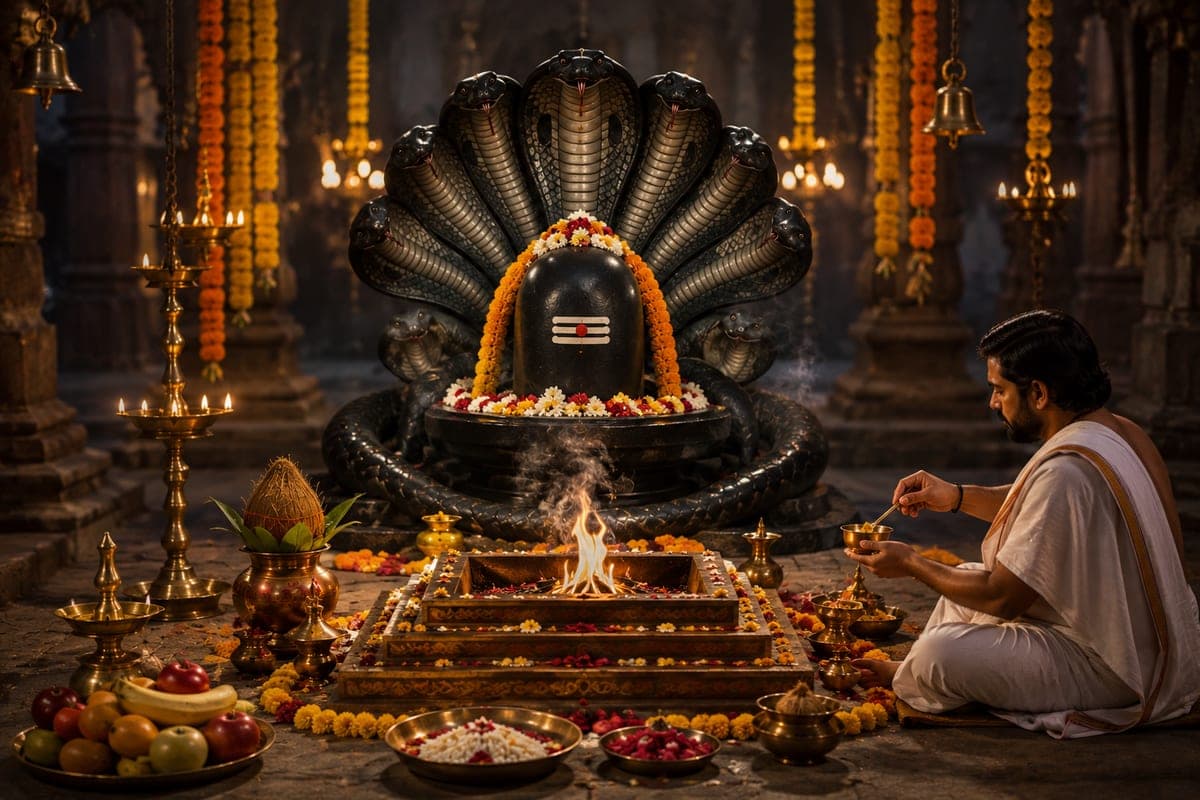
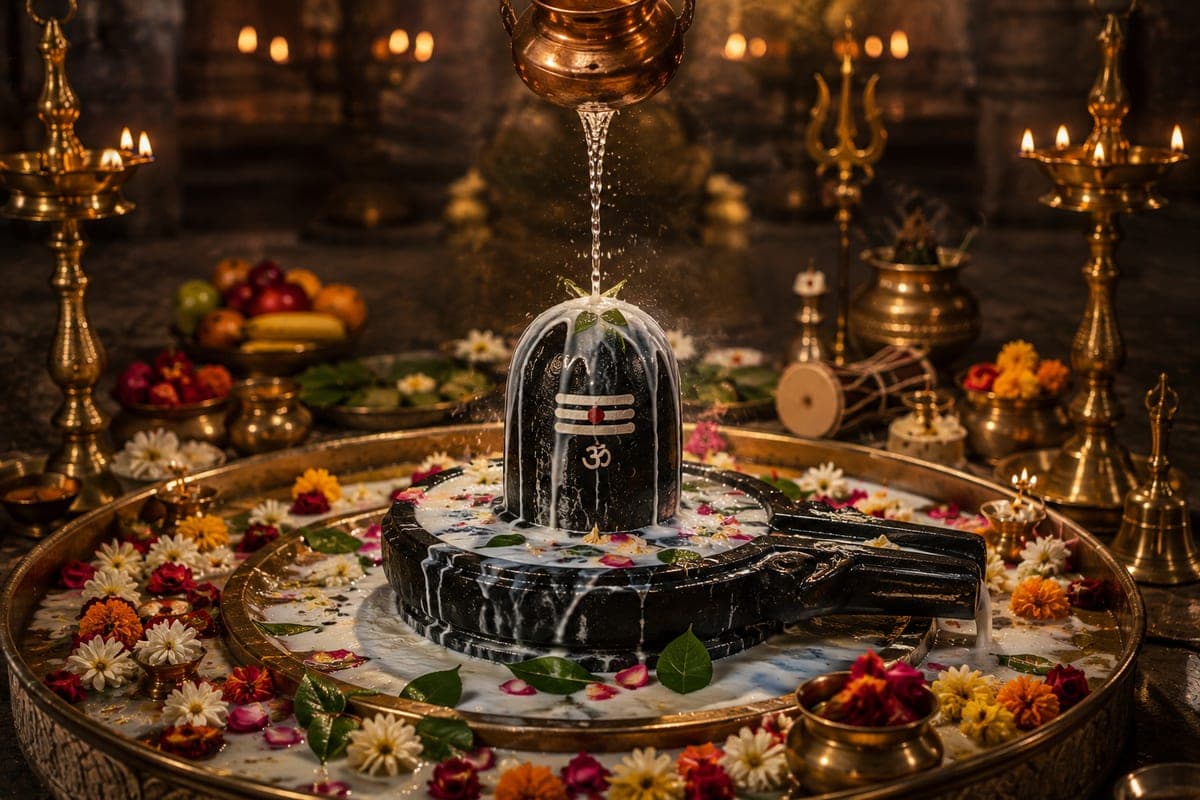
Abhishek refers to the ritual bathing of a deity's idol or symbol, most commonly performed on Shivlingas but also carried out for other deities depending on the temple's tradition. The ritual typically involves pouring substances such as water, milk, honey, curd, and sometimes sandalwood paste over the image, accompanied by the chanting of specific mantras by a priest. Each substance used is believed to carry its own symbolic meaning, with milk representing purity and honey representing sweetness of speech and thought. Regional variations in how Abhishek is performed are common across India, reflecting local customs that have developed independently over centuries within different temple traditions. Many families maintain their own personal traditions around Abhishek, passed down from grandparents and adapted slightly for each generation while keeping the core practice intact. Priests performing rituals connected to Abhishek are generally happy to briefly explain the steps involved to curious pilgrims, particularly at quieter temples with fewer visitors during the day.
Religious Significance of Abhishek
Abhishek is considered an act of purification and devotion, symbolically cleansing the deity while expressing the devotee's reverence. Certain days, such as Mondays for Shiva temples or specific auspicious dates, are considered especially significant for abhishek. Many pilgrims choose to sponsor an abhishek as a personal offering, often to mark a specific prayer, vow, or life event, believing that witnessing or funding this ritual brings particular blessings during their Yatra.
How Pilgrims Can Participate in Abhishek
At many temples, pilgrims can arrange to have an abhishek performed on their behalf by paying a fee at the temple counter, after which a priest conducts the ritual and may recite the devotee's name during the ceremony. Some temples also allow pilgrims to personally participate in pouring the sacred substances, particularly at smaller or less crowded shrines, offering a more direct form of involvement in the ritual than simply observing from a distance.
Planning to Sponsor an Abhishek
Pilgrims interested in sponsoring an abhishek during their Yatra are generally advised to enquire at the temple's information counter upon arrival, as availability, timing, and cost can vary considerably depending on the temple and time of year. Larger temples may require booking a specific slot in advance, particularly during festivals such as Maha Shivratri when demand for abhishek services rises sharply among visiting devotees.