Among the many rituals a pilgrim encounters during a Yatra, aarti is one of the most visible and participatory. Performed by circling a lit lamp before the deity while devotees sing hymns, aarti creates a shared moment of devotion that many pilgrims specifically time their temple visit around. Understanding this ritual helps travellers appreciate why certain darshan slots are more crowded and spiritually charged than others, and why the sound of bells and chanting is often the first thing visitors notice on approaching a temple.
What Is Aarti?
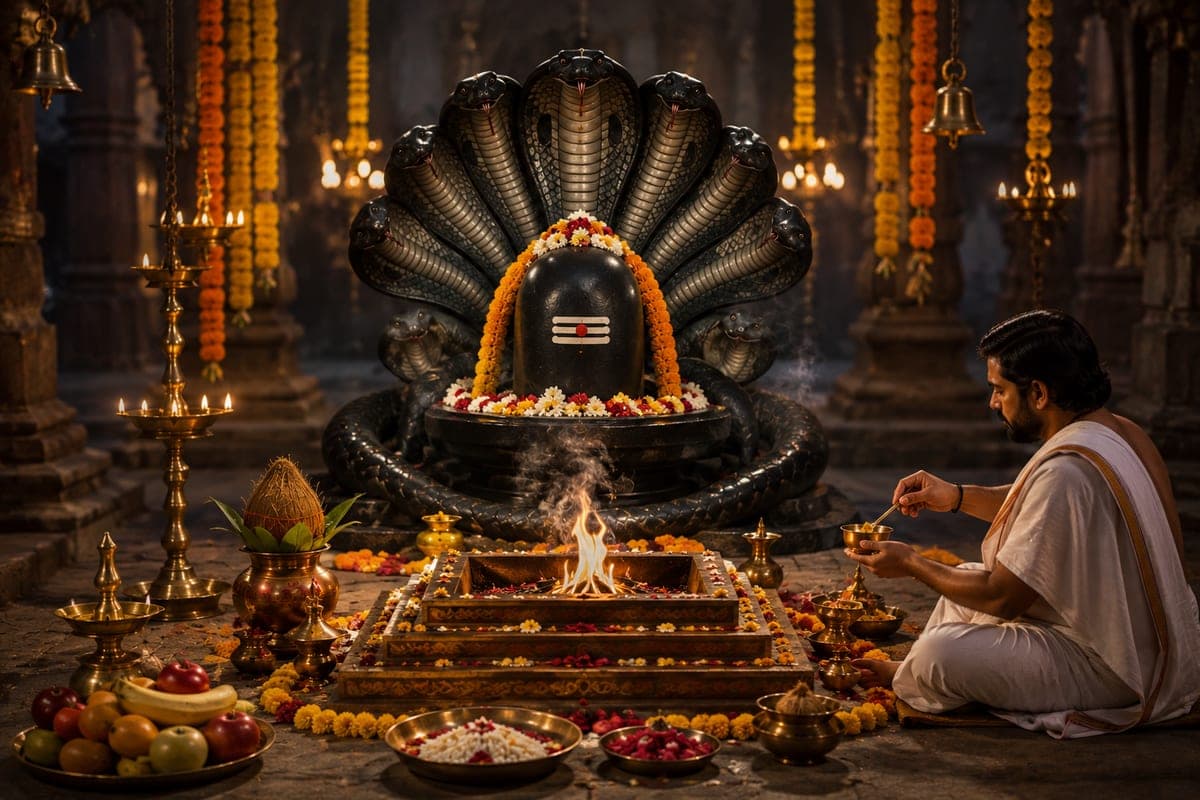
Aarti is a ritual in which a lit lamp, often fuelled by ghee or camphor, is waved in a circular motion before a deity's image while devotees sing devotional songs. The lamp's flame is believed to absorb the deity's blessings, which is why devotees often pass their hands over the flame and touch them to their forehead afterward. Aarti is performed at temples, ashrams, and even household shrines across India, making it one of the most universally recognised rituals in Hindu practice regardless of region or specific deity being worshipped. Priests performing rituals connected to Aarti are generally happy to briefly explain the steps involved to curious pilgrims, particularly at quieter temples with fewer visitors during the day. Many families maintain their own personal traditions around Aarti, passed down from grandparents and adapted slightly for each generation while keeping the core practice intact.
Religious Significance of Aarti
The circling light of the aarti lamp is traditionally understood to represent the removal of darkness and ignorance through divine presence. Many temples perform aarti multiple times a day, including a prominent morning and evening session, each with specific hymns dedicated to the temple's main deity. The ritual is considered an offering of light, sound, and devotion combined into a single act of worship, and the specific tune or hymn used can vary significantly from temple to temple, often reflecting centuries of local tradition. Regional variations in how Aarti is performed are common across India, reflecting local customs that have developed independently over centuries within different temple traditions.
Experiencing Aarti During a Yatra
For pilgrims, timing a temple visit to coincide with aarti can be a highlight of the Yatra, as the combination of chanting, bells, and lamp light creates an especially immersive atmosphere. Popular pilgrimage sites such as Varanasi's ghats are particularly known for large-scale evening aarti ceremonies that draw significant crowds, with dozens of priests performing synchronised aarti along the riverbank each evening. Many pilgrims describe this collective experience as one of the most memorable parts of their entire journey.
What Pilgrims Should Know
During aarti, pilgrims are generally expected to stand respectfully, join in singing if familiar with the hymns, and avoid disrupting the ritual by moving through the crowd. At many temples, prasad is distributed immediately after aarti, making it a natural point to conclude a darshan visit. Arriving a little early for a popular aarti session is advisable, as space near the sanctum fills up quickly, and pilgrims hoping for a clear view of the ritual should plan to arrive at least twenty to thirty minutes before the scheduled start time.