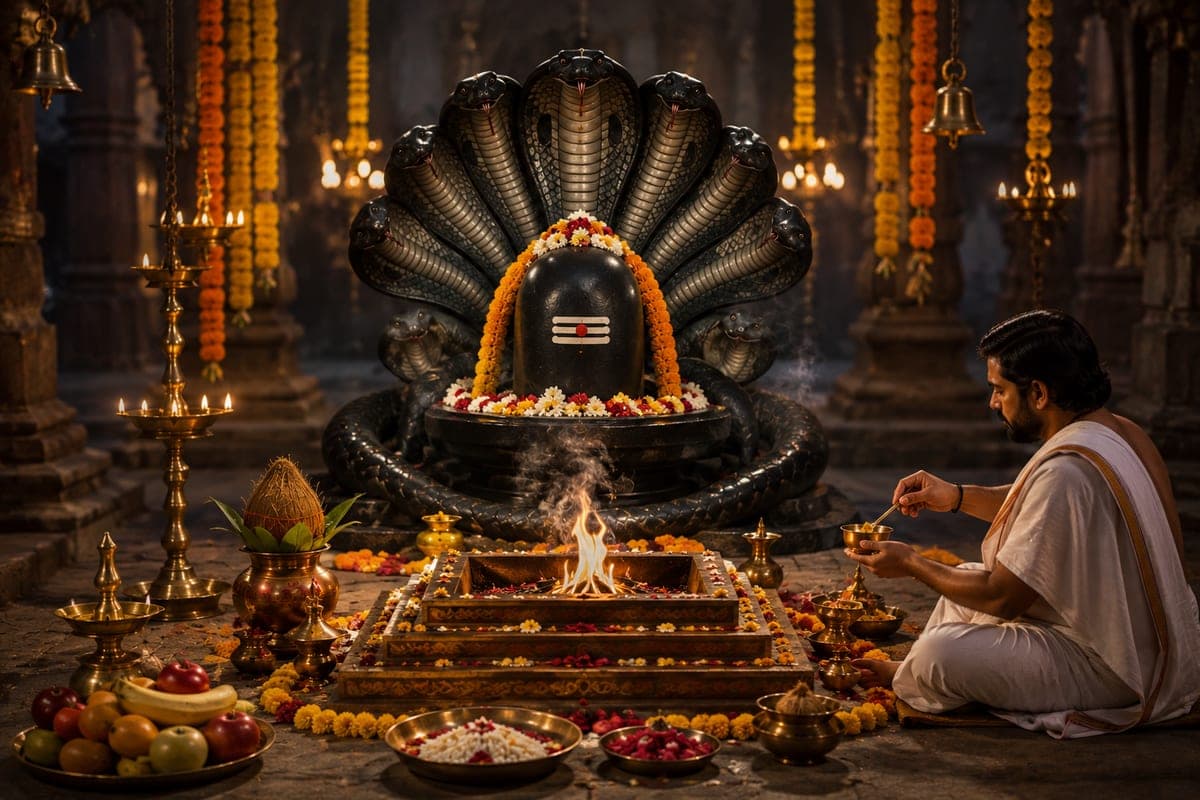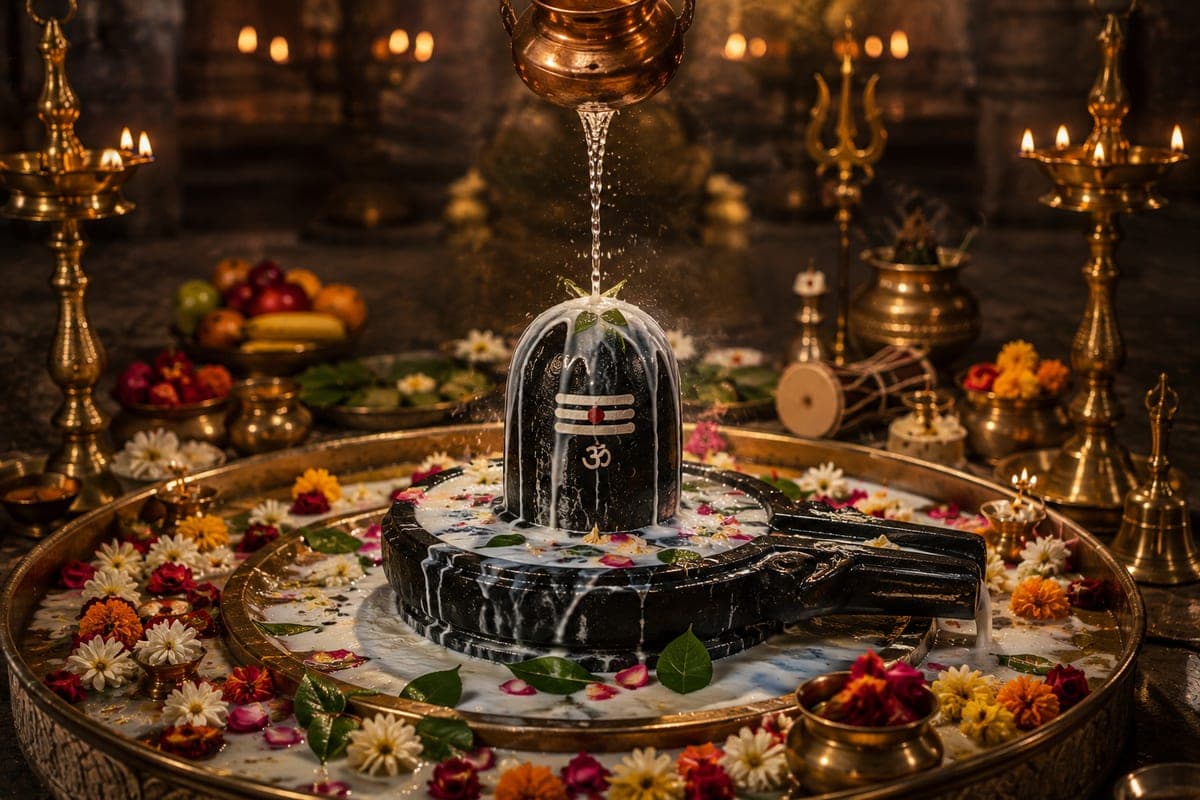
Each individual offering made into the sacred fire during a havan is known as an aahuti, repeated numerous times throughout the ceremony, each accompanied by its own mantra. Understanding this term helps pilgrims appreciate the structured, repetitive rhythm underlying fire rituals they may sponsor during their Yatra.
What Is Aahuti?
Aahuti refers to the act of offering a specific substance, such as ghee, grains, or herbs, into a sacred fire during a havan or yajna, with each offering typically accompanied by the recitation of a specific mantra. Priests performing Aahuti are generally willing to briefly explain the ritual to curious pilgrims, particularly at quieter, less crowded temples.
The Rhythm of Aahuti During a Havan
A havan ceremony typically involves numerous repeated aahuti, with priests offering material into the fire at regular intervals throughout the ritual, building a steady rhythm between mantra recitation and physical offering. Many pilgrims specifically arrange Aahuti during their Yatra to mark a personal intention, vow, or family occasion.
Aahuti and the Sponsoring Devotee
Pilgrims sponsoring a havan may be invited to personally perform a final aahuti alongside the priest, particularly at the ceremony's conclusion, offering a direct and participatory moment within an otherwise priest-led ritual. The exact steps involved in Aahuti can vary somewhat between temples, though the underlying devotional purpose remains broadly consistent across India.